
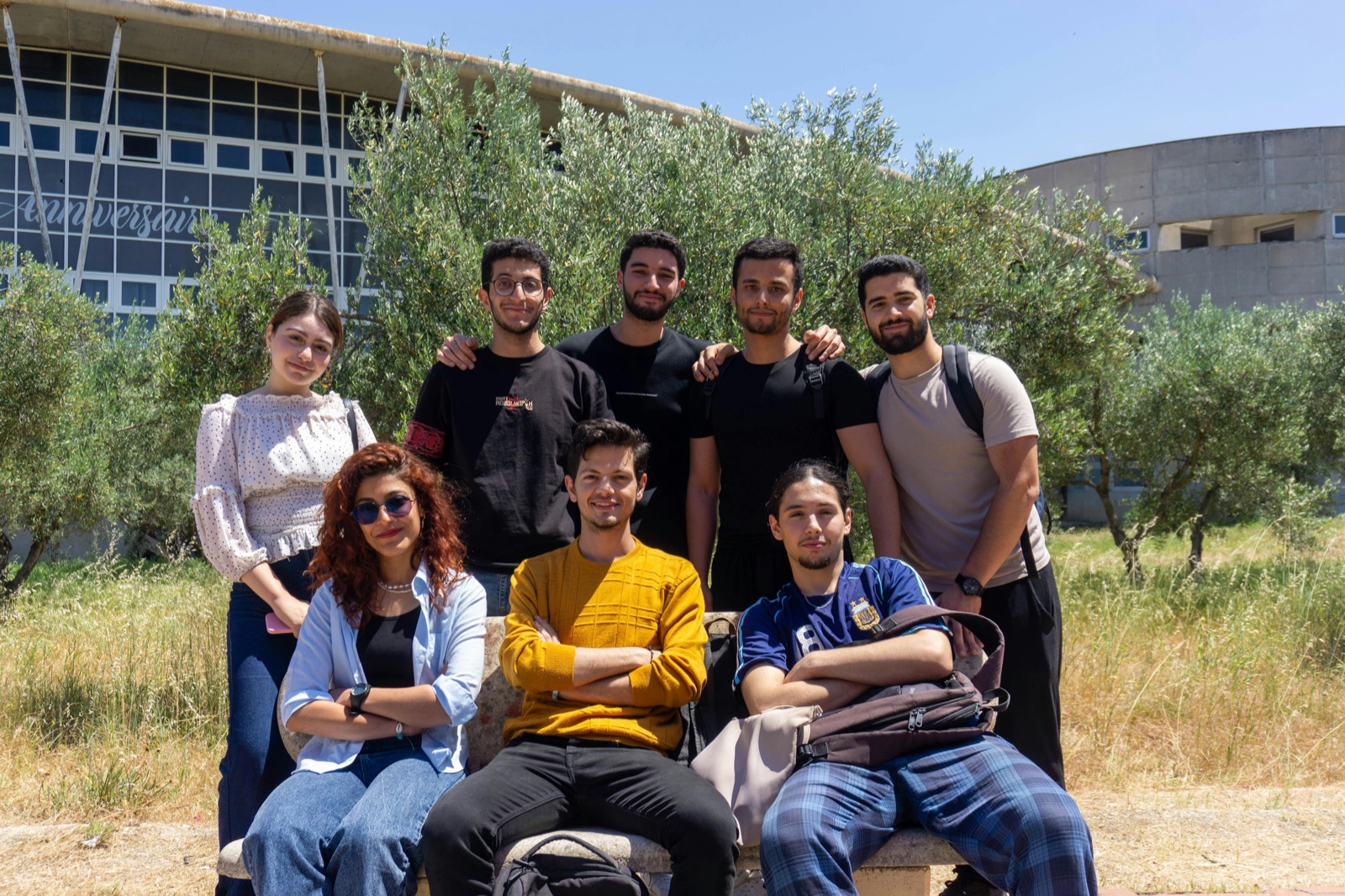
Student life is often seen as a simple pastime, a recreational break between two exams. That is a mistake. In business school, clubs and associations are a genuine career asset: they develop skills that recruiters value, broaden your network and add depth to your profile. This article explains why student involvement matters as much as coursework, and how to make the most of it during your studies.
Why student life is a career asset
On a CV, two students may show the same degree and comparable results. What sets them apart? Often, their involvement. An associative experience demonstrates qualities no transcript can reflect: initiative, sense of responsibility, the ability to carry a project through to the end.
This is exactly what recruiters look for. As we explain in soft skills vs hard skills, behavioural skills often make the difference at hiring. And student life is one of the best grounds to develop them.
The skills that student involvement develops
Leading a club or organising an event means managing a real project, with its constraints and surprises. The skills acquired transfer directly to the professional world.
Leadership and management
Chairing an association means leading a team of volunteers, setting a direction, making decisions and owning the results. It is a first experience of management, at an age when few candidates can claim one.
Project management
Organising a conference, a gala or a tournament requires planning, budgeting, coordinating and meeting deadlines. These project-management reflexes are at the heart of management careers.
Communication and negotiation
Convincing partners, approaching sponsors, rallying members: student life sharpens your communication and negotiation skills—essential for many business school career outcomes.
Teamwork
Collaborating with varied profiles, handling disagreement, delegating: all situations that build team spirit and interpersonal intelligence.
The different types of clubs in business school
Business schools generally host a wide variety of clubs, allowing everyone to find their path:
- Professional clubs (finance, marketing, consulting, entrepreneurship) deepen a field and build links with companies.
- Humanitarian and solidarity associations develop civic engagement and the running of impactful projects.
- Cultural and artistic clubs (music, theatre, photography) cultivate creativity and sensitivity.
- Sports clubs nurture team spirit, discipline and self-improvement.
- The student union and event associations drive campus life and major unifying projects.
Student life at HEC Rabat: concrete figures
At HEC Rabat, student life is not an optional extra: it is a structuring component of the student experience. The campus counts more than 20 active clubs and associations, which organise more than 80 events a year and mobilise more than 800 students. This intensity reflects a culture of engagement where student initiative is encouraged and supported.
This richness spans the main areas of involvement, organised into complementary categories:
- Entrepreneurship: pitch competitions, hackathons, startup projects and mentoring, for those who want to turn an idea into a project.
- Solidarity: charitable initiatives, environment, partnerships with NGOs and corporate-social-responsibility (CSR) efforts.
- Culture & arts: theatre, photography, music and debate clubs.
- Media & communication: podcast, student newspaper, video and social-media management.
- Personal development: public speaking, leadership, well-being and themed workshops.
On the sports side, students have access to several clubs—Football, Basketball, Tennis, Swimming and Martial arts—which nurture team spirit, discipline and self-improvement.
The whole is driven by the Student Union (BDE), which does more than coordinate campus life: it actively supports the creation of new clubs, from project design to finding partners. A student with an idea thus finds a concrete framework to make it happen.
The flagship events of the student year
Beyond the clubs’ regular activities, several gatherings punctuate the year and unite the whole community. At HEC Rabat, three highlights illustrate this dynamic:
- The end-of-year Gala, a moment of celebration and networking that brings together students and alumni.
- The inter-track tournaments, which keep the spirit of competition and cohesion alive across cohorts and specialisations.
- The Entrepreneurs & Alumni Forum, where students present their projects by pitching before a jury, in a directly career-oriented logic.
These events are not mere entertainment: they are so many opportunities to take on responsibilities, manage a budget, coordinate a team and build a network from the second year onwards.
The skills developed through involvement
Associative experience develops skills that recruiters particularly value, and that no lecture can transmit as effectively: leadership and management, project management, communication and negotiation, resilience and adaptability, team and conflict management, initiative-taking. Added to this is the building of a professional network from the second year, valuable capital for the rest of the journey. Finding room to express yourself and take on responsibilities is thus within every student’s reach, whatever their interests.
Building a network from your studies
Student life does not just develop skills: it creates connections. Within clubs, you build relationships with other students, engaged alumni and external partners (companies, speakers, sponsors).
This early network is valuable capital for what comes next: it makes it easier to access internships and work-study, opens professional opportunities and supports your entire career. In management, the network is a major lever—so you might as well start building it from your first years.
Student involvement and personal growth
Beyond skills and networks, student life contributes to something less measurable but just as valuable: personal growth. Taking on responsibilities, facing setbacks, learning to work with people very different from yourself—these experiences build confidence, self-awareness and resilience.
Many students discover, through their involvement, talents and interests they did not know they had. A passion for organising events, a flair for public speaking, a taste for leadership: these revelations often shape career choices. Student life is, in this sense, a space for experimentation where you can test yourself at low risk, learn from mistakes and grow into the professional you want to become.
How to showcase your involvement
You also need to know how to highlight this experience.
- On your CV, present your associative responsibilities as genuine experiences: position held, missions, concrete results (number of participants, budget managed, partnerships secured).
- In interviews, recount a notable achievement using the situation – action – result logic. This is one of the levers to ace your interviews.
- In your project, show the coherence between your commitments and your career aspirations.
Well-presented involvement can carry as much weight as an internship in a recruiter’s eyes.
Finding the right balance
Student involvement is valuable, provided you do not neglect your studies. A few principles to stay on course:
- Choose one or two clubs you genuinely care about rather than spreading yourself thin.
- Learn to manage your time: this is, in fact, one of the skills involvement develops.
- Favour quality of involvement over quantity of CV lines: one responsibility truly owned is worth more than ten passive memberships.
This balance is an integral part of a successful student experience, just like the choice of school detailed in our complete guide.
Creating your own club: the ultimate entrepreneurial experience
Joining an existing club is formative; creating one from scratch is even more so. Launching an association means identifying a need, rallying a team, defining a project, finding resources and keeping a structure alive over time. It is, on a small scale, a genuine entrepreneurial experience.
This undertaking develops skills that are rare in young candidates: vision, perseverance, the ability to convince and mobilise. For students aiming for entrepreneurship or leadership roles, it is an invaluable training ground.
Of course, creating a club takes energy and real investment. But the experience, even imperfect, leaves a lasting mark on a profile and demonstrates a capacity for initiative that recruiters particularly value.
Student life as a mirror of a school’s culture
The richness of student life says a lot about an institution’s spirit. A school that actively supports its clubs, provides resources and encourages student initiative cultivates a culture of engagement and autonomy.
So when choosing your future school, observe the associative dynamic: the number and diversity of clubs, the events organised, the room left for student initiative. It is a valuable indicator of the quality of the student experience, just like the academic criteria detailed in our complete guide. Don’t hesitate to question current students during open days: they are best placed to describe the reality of campus life to you.
Frequently asked questions
Does student life really matter to recruiters? Yes. Serious associative involvement demonstrates behavioural skills (leadership, project management, teamwork) that are highly sought after, especially in young graduates with little professional experience.
Should I join several clubs? No, quality matters more than quantity. Deep involvement in one or two clubs, with real responsibilities, is worth more than a host of memberships with no engagement.
Could student involvement harm my studies? Not if you manage your time. Learning to balance studies and involvement is precisely one of the skills student life develops. The key is to keep a reasonable balance.
Key takeaways
Student life is far more than entertainment: it is a genuine career accelerator. Clubs and associations develop skills that recruiters seek, broaden your network and enrich your profile. By choosing involvement aligned with your aspirations and knowing how to showcase it, you turn your study years into a professional springboard. To factor this dimension into your school choice, read our complete guide to choosing a business school in Morocco.
Want a rich and formative student experience? Our HEC Rabat orientation advisers can inform you. Talk to an adviser or create your applicant space for personalised guidance.